Vibe High with the Power of Humming

Ever since unlocking the profound connection between our personal vibration and the creation of our reality, I’ve been on a quest to raise our collective vibe. In my search for the holy grail of vibing high, I stumbled upon research on the power of humming. It sparked the realization that during the sacred practice of chanting Om, we end with a powerful resonant hummm. Intrigued by the potential behind the simple hum as the transformative tool of the century, I delved into the scientific intricacies that underpin its efficacy.

What unfolded was a revelation that will captivate and inspire you to incorporate the timeless art of humming into your daily morning and nightly rituals. Humming has compelling science to prove that this may be the best game-changing habit for 2024.

1. Respiratory and Cardiovascular Effects:

  • Humming has been found to stimulate the production of nitric oxide, which plays a role in vasodilation (expansion of blood vessels). This may have anti-aging and positive effects on cardiovascular health and respiratory function.

2. Stress Reduction:

  • Humming has been linked to reduced levels of cortisol, a stress hormone. Engaging in humming activities, such as chanting or humming meditation, may contribute to relaxation and stress reduction.

3. Sinus and Nasal Benefits:

  • Humming is thought to increase the production of nitric oxide in the nasal passages, potentially aiding in the prevention of sinus infections and promoting overall nasal health.

4. Vocal Health:

  • Regular humming may contribute to the maintenance of vocal health by promoting flexibility and strength in the vocal cords. It can also help in warming up the voice.

5. Emotional Well-Being:

  • Humming, particularly in a rhythmic and intentional manner, has been associated with an increase in endorphin levels, promoting a sense of well-being and pleasure. This is why chanting Om and others is powerful.

6. Cognitive Benefits:

  • Some studies suggest that humming may influence brain activity, leading to changes in neural oscillations and increased connectivity in brain regions associated with auditory processing and emotion regulation.

7. Relaxation and Meditation:

Humming is often incorporated into various relaxation techniques and meditation practices. The rhythmic and repetitive nature of humming may induce a meditative state, promoting mental clarity and calmness.

8. Pain Management:

  • Humming has been explored as a potential method for pain management. The release of endorphins during humming may contribute to pain relief and a sense of comfort.

9. Auditory Stimulation:

  • Humming involves the auditory system both in the production and perception of sound. The sensory stimulation associated with humming may have positive effects on mood and cognitive functions.

10. Facial Muscle Relaxation:

  • The act of humming involves the use of various facial muscles. Regular humming may contribute to facial muscle relaxation, potentially alleviating tension in the jaw and face.

Are you ready to add humming to your repertoire for health and high vibes? Simple Humm for 1 to 3 minutes when you wake up and before you go to sleep and remember to share your benefits in comments once you try it.

Power of EFT/Tapping to Release Pain & Anxiety

When industry icons including Oprah, Tony Robins, Dr. Mercola, and the Duchess of Cornwall swear by a healing modality, it deserves a blog post and a “let me see if it works for me.” I am referring to Emotional Freedom Technique or Tapping. In recent years, this alternative therapy has gained significant attention for its potential to alleviate stress, anxiety, and even physical pain. Also referred to as Emotional Freedom Techniques (EFT), tapping combines elements of Eastern acupressure and modern psychology.

VIDEOS:

How to Tap with Jessica Ortner

Tapping with Russell & Nick

Tapping for Pain with Julie

Tapping for Pain Relief

Tapping for Letting Go

The Scientific Proof for Tapping:

While tapping may appear unconventional, scientific research has begun shedding light on its efficacy. Several studies have demonstrated its positive effects on various physical and psychological conditions. For instance, a 2019 study published in the Journal of Nervous and Mental Disease found that tapping significantly reduced symptoms of post-traumatic stress disorder (PTSD) in military veterans. Another study published in the Journal of Evidence-Based Integrative Medicine in 2018 indicated that tapping reduced cortisol levels, thereby decreasing stress and anxiety.

The mechanism behind tapping lies in stimulating specific meridian points on the body, similar to the principles of acupuncture and acupressure. This technique is believed to balance the body’s energy and alleviate blockages that contribute to emotional distress or physical discomfort.

Famous Advocates of Tapping:

Numerous celebrities and influential figures have embraced tapping as a valuable tool for personal growth and well-being. Among them is Tony Robbins, the renowned motivational speaker, and life coach. Robbins has long praised the benefits of tapping, incorporating it into his seminars and teachings. Additionally, Olympic athletes such as golf champion Tiger Woods and swimmer Michael Phelps have reportedly used tapping to enhance their mental focus and performance under pressure.

Benefits of Tapping:

  1. Stress and Anxiety Relief: Tapping has shown remarkable efficacy in reducing stress and anxiety levels. By engaging in the practice, individuals can experience a sense of calmness, allowing them to navigate life’s challenges with greater resilience.
  2. Emotional Healing: Tapping can help individuals process and release deep-seated emotional pain and trauma. By acknowledging and tapping on specific emotions, individuals may experience emotional freedom, leading to improved mental well-being.
  3. Pain Management: Research suggests that tapping may help alleviate chronic pain. By focusing on the physical discomfort while simultaneously tapping on designated points, individuals may experience a reduction in pain intensity. When we did Tapping for pain in our Breathworkk.com live session I was amazed that three individuals shared that their pain was gone at the end of our 10-minute session!
  4. Boosted Energy: Tapping is believed to stimulate the body’s energy flow, resulting in increased vitality and enhanced overall energy levels. Regular tapping sessions can provide individuals with a renewed sense of vigor and motivation.

How to Practice Tapping:

  1. Identify the Issue: Begin by identifying the specific issue or emotion you wish to address. It could be stress, anxiety, pain, or any other concern you want to alleviate.
  2. Setup Statement: Create a setup statement that acknowledges the issue while affirming self-acceptance. For example, “Even though I feel anxious, I deeply and completely love and accept myself.”
  3. Tapping Sequence: While repeating the setup statement, use your fingertips to tap on specific meridian points on the body. These points include the top of the head, eyebrow, side of the eye, under the eye, under the nose, chin, collarbone, under the arm, and the side of the hand. Please watch this video for how to do it correctly.
  4. Reminder Phrase: After completing a tapping round on all the points, repeat a shorter reminder phrase that focuses on the issue. For example, “This anxiety.”
  5. Repeat and Assess: Continue tapping rounds while adjusting the setup statement and reminder phrase as needed. After each round, assess your emotional state and physical sensations to gauge progress.

I highly recommend you incorporate Tapping just like Russel Brand has into his daily routine and perhaps teach your teens as well. This potentially transformative technique is fast and science-backed to reduce pain, anxiety, and stress. By embracing this practice and exploring its potential, you can unlock a pathway to greater emotional resilience and improved overall health.

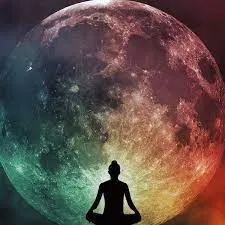
Harnessing the Power of Full Moon through Meditation

The full moon has captivated our human imagination for centuries, inspiring myths, rituals, and even poetry. Beyond its mystical allure, the full moon also exerts a scientifically verifiable influence on the Earth’s oceans, wildlife, and potentially on human behavior and emotions. I believe that the full moon night offers a tremendous opportunity for us to release all that doesn’t serve us and rebirth ourselves into bliss.

Now, if you haven’t previously considered the effect of a full moon you will be fascinated with these facts-

  1. Tidal Forces: The most apparent manifestation of the moon’s power lies in the tides. As the moon’s gravitational pull interacts with Earth’s oceans, it creates tidal bulges. During a full moon, when the moon, Earth, and the sun are aligned, the gravitational forces reinforce each other, leading to higher high tides and lower low tides, commonly known as “spring tides.” This phenomenon is essential for coastal ecosystems, influencing nutrient distribution and tidal habitats.
  2. Wildlife Behavior: Several studies suggest that the full moon affects the behavior of certain animal species. For instance, marine creatures like coral spawn synchronously during full moons, while certain fish species tend to exhibit increased activity during these lunar phases. In terrestrial environments, some animals, such as wolves and owls, are more active during full moon nights, possibly due to increased visibility.

The Human Connection: The Moon’s Potential Impact on Human Behavior

  1. Sleep and Circadian Rhythms: Some studies have explored the potential impact of the full moon on human sleep patterns and circadian rhythms. Certain research indicates that people may experience disturbances in sleep duration and quality during full moon nights.
  2. Human Emotions: The moon’s influence on human emotions remains a topic of exuberant debate. From police stations and DMV offices to several ancient cultures associate the full moon with heightened emotional states, including anxiety, agitation, and even increased crime rates.
  3. Female Fertility: In numerous cultures, the moon has long been linked to femininity, fertility, and the cycles of life. Ancient beliefs often associated the moon’s phases with different stages of a woman’s menstrual cycle, attributing heightened fertility and emotions to the full moon.

Moonlight Delight: A Guided Full Moon Meditation

Performing a full moon meditation can be a powerful way to harness the moon’s energy and connect with our inner selves. Below are step-by-step instructions for conducting a transformative full-moon meditation:

  1. Choose the Right Setting: Find a quiet and comfortable space where you won’t be disturbed during the meditation. If possible, opt for an outdoor location where you can directly observe the moon. However, if that’s not feasible, a peaceful indoor setting will work just as well.
  2. Timing Is Key: Full moon energy is most potent on the night of the actual full moon. However, the energy can be felt a few days before and after the full moon as well. Aim to meditate on the night of the full moon or within a day or two of it for maximum impact.
  3. Prepare Mind and Body: Take a few moments to relax and clear your mind before beginning the meditation. Deep breathing exercises or a short grounding practice can help you connect with the present moment.
  4. Set Your Intentions: Reflect on your goals and aspirations for the coming lunar cycle. What do you wish to manifest or release? Setting clear intentions will infuse your meditation with purpose and direction.
  5. Start the Meditation: Sit or lie down in a comfortable position. Close your eyes and turn your attention inward. Focus on your breath to anchor yourself in the present moment.
  6. Visualize Moonlight: In your mind’s eye, visualize the soft, radiant light of the full moon enveloping you in a gentle embrace. Feel its energy washing over you, cleansing and illuminating your mind and spirit.
  7. Connect with Emotions: Allow any emotions that arise to flow freely, acknowledging and accepting them without judgment. The full moon’s energy may amplify emotions, so use this opportunity to confront and release any negativity.
  8. Affirmations and Gratitude: While basking in the moonlight, recite affirmations or express gratitude for the abundance in your life. Embrace the positive energy that surrounds you and foster a sense of abundance within yourself.
  9. Stay Present: As you continue your meditation, remain in the present moment and stay connected with the moon’s energy. Trust your intuition and let it guide you through this transformative experience.
  10. Conclude with Gratitude: When you feel ready, slowly bring your awareness back to your surroundings. Express gratitude for the experience and the insights gained. Take a few moments to journal or reflect on your meditation before resuming your daily activities.

By aligning ourselves with the natural rhythms of the full moon, we can harness its energies and gain deeper insights into ourselves and our desires. Remember, the full moon is not only a celestial spectacle but a powerful catalyst for inner transformation. Embrace this time-honored practice, and let the radiance of the full moon guide you on your journey of self-discovery and enlightenment.

Mindfulness and Rumi – welcoming all thoughts as guests

Covid may have come and gone but there’s a deadlier virus that infects us early and stays till the end. I call it the virus of “negative self-talk” which creates the human condition of doubt, despair, anger, sadness … and leads to a life less lived. What a waste of a perfectly great life. The practice of Mindfulness has its roots in a valiant attempt to stop these destructive thoughts from being the guiding light into darkness. Instead, the power of mindfulness is to identify, accept and eventually rise above these thoughts.

The virus disappears when it’s ignored into oblivion. So let’s start with a quick self-assessment – how many of these little gems have you uttered?

  1. “I’m not good enough.”
  2. “I’m a failure.”
  3. “Everyone else is better than me.”
  4. “I’ll never succeed.”
  5. “I’m not smart/creative/talented enough.”
  6. “I always mess things up.”
  7. “No one cares about what I have to say.”
  8. “I’ll never be able to achieve my goals.”
  9. “I’m just fooling everyone; they’ll find out I’m a fraud.”
  10. “I’m too [insert negative attribute] to be loved.”
  11. “I’ll never be as good as [insert person’s name].”
  12. “I’m too old/young to make a difference.”
  13. “I don’t have what it takes to be successful.”
  14. “I’m always making mistakes.”
  15. “I’ll never be [insert negative attribute].”
  16. “I’m not attractive enough.”
  17. “I’m no one special .”
  18. “I’ll never be able to change.”

Some days it appears like our entire life is one long inner dialogue into despair, often induced through family, friends, and media programming. One of the constant drills we are taught when we try to deal with our negativity is to change our thoughts, to think positive, and to create a stream of uplifting affirmations.

Perhaps that is not the path to bliss. Perhaps we consider this poem by 13th-century mystic Rumi as the beacon for an answer:

This being human is a guest house.
Every morning a new arrival.
A joy, a depression, a meanness,
some momentary awareness comes
as an unexpected visitor.
Welcome and entertain them all!
Even if they are a crowd of sorrows,
who violently sweep your house
empty of its furniture,
still, treat each guest honorably.
He may be clearing you out
for some new delight.
The dark thought, the shame, the malice.
Meet them at the door laughing and invite them in.
Be grateful for whatever comes.
because each has been sent
as a guide from beyond.

What a powerful poem that so beautifully teaches us that the only way to thrive is to welcome ALL thoughts with gratitude and as guides for a life well lived. Mindfully welcome each thought as a guest. Relax into observation instead of reaction.

Just observe and in stillness let the words wash over like waves on a beach. In the present moment, they have no power over you. Breathe in, breathe out. Just like the waves. Refocus on the rhythm of your breath, the sensations in your body, and the sounds around you. In the present moment, you are home.

Per Rumi, these thoughts are simply guides. 

Another exercise you can embark on is to observe your reaction to these invading thoughts –

– Do you seek a distraction in entertainment

– Do you crave an indulgence such as a drink or food

– Do you yearn for validation through people pleasing

– Do you covet attention in terms of physical beauty via cosmetics and procedures

– Do you chase company or hide in solitude

Mindfulness lets us simply observe and accept these thoughts as guests instead of identifying with them. In doing that we become conscious of our unconscious programmed existence. In that moment we become alive, for the first time, truly living from a place of power where all is possible.

Unleashing Abundance with Sadhguru’s Chit Shakti

In the realm of spiritual exploration, seekers have long delved into the depths of human consciousness, seeking to unlock hidden potentials and tap into the profound energy that lies within. Chit Shakti, a transformative practice introduced by the renowned yogi and mystic Sadhguru, offers a powerful pathway to awaken and harness the latent power of the mind. In this article, we will explore what Chit Shakti is, the benefits it offers, and how to practice this remarkable technique.

Understanding Chit Shakti:

Chit Shakti, derived from the ancient Sanskrit words “Chit” (consciousness) and “Shakti” (power), refers to the innate power of consciousness that resides within each individual. It is a practice that empowers individuals to consciously create their desired reality by utilizing the immense creative potential within the mind.

At its core, Chit Shakti involves shifting one’s focus from external circumstances to the inner realm of possibilities. It is about recognizing that the power to manifest and shape our lives lies within us, and through disciplined practice, we can tap into this power to manifest our intentions. You can learn more here >

Benefits of Chit Shakti:

  1. Manifestation and Intention Setting: Chit Shakti provides a powerful framework for setting clear intentions and manifesting desired outcomes in various aspects of life. By focusing the mind and channeling its energy towards specific goals, individuals can align their actions and experiences with their intentions.
  2. Enhanced Mental Clarity and Focus: Regular practice of Chit Shakti cultivates a state of heightened mental clarity and focus. By directing the mind’s energy towards a chosen outcome, distractions, and mental clutter are gradually minimized, enabling individuals to concentrate on their goals more effectively.
  3. Increased Self-Awareness: Chit Shakti encourages individuals to explore their inner landscape and develop a deeper understanding of themselves. Through introspection and conscious observation of thoughts and emotions, practitioners gain insight into their patterns, limiting beliefs, and untapped potential, leading to personal growth and transformation.
  4. Amplified Creativity: By accessing the limitless wellspring of creativity within, Chit Shakti unlocks new dimensions of imaginative thinking. Practitioners discover innovative solutions, unearth novel ideas, and develop the ability to think beyond conventional boundaries, enhancing their creative endeavors in various fields.

How to Practice Chit Shakti:

Practice on YouTube here >

  1. Set Clear Intentions: Begin by clearly defining your intention or desired outcome. Whether it pertains to health, relationships, career, or personal growth, articulate your goal with utmost clarity and specificity.
  2. Focus and Visualization: Close your eyes and bring your attention to your chosen intention. Engage all your senses and vividly imagine yourself already experiencing the desired outcome. Visualize every detail, incorporating emotions and sensations to make it as real as possible.
  3. Maintain Positive Energy: Cultivate a positive mindset and align your thoughts, emotions, and actions with your intended outcome. Replace doubts and negativity with affirmations, gratitude, and a sense of unwavering belief in your ability to manifest your desires.
  4. Surrender and Detachment: Release any attachment to the outcome and surrender to the natural flow of life. Detach from the need to control every aspect, and instead, trust that the universe will guide you towards the best possible outcome.
  5. Consistency and Practice: Regular practice is key to harnessing the full potential of Chit Shakti. Set aside dedicated time each day to engage in this practice, allowing it to become an integral part of your routine.

Chit Shakti, as introduced by Sadhguru, offers a profound pathway for individuals to tap into their inner power and manifest their desired reality. By aligning the mind, intentions, and actions, practitioners of Chit Shakti can experience transformative shifts in various aspects of their lives. By embracing this practice, one can embark on a journey of self-discovery, unlocking untapped potentials, and ultimately living a life of purpose and fulfillment.

Unlock Health with Alternate Nostril Breathing

Click for the recording of Breathworkk.com session >

Alternate nostril breathing, or Nadi Shodhana/Anulom Vilom Pranayama, is an ancient yogic breathing technique originating from India that has numerous PubMed studies on its proven health results! I know what you’re thinking- how can the simple practice of breathing in one nostril and then out the other nostril create health? So, let’s dive into the science that supports some incredible health results from just five rounds of this practice daily. Best of all, there are even studies showing meaningful weight loss when it’s practiced through a certain nostril for 27 rounds at a time! Intrigued, right? Let’s dive in and get your pounds dropping along with your blood pressure.

Origins of Alternate Nostril Breathing:

Alternate nostril breathing traces its roots back to ancient yogic texts, such as Hatha Yoga Pradipika and Gheranda Samhita, which date back thousands of years. This practice is based on the belief that breath serves as a vital force connecting the mind, body, and spirit. Ancient yogis recognized the significance of balancing the body’s subtle energy channels, or nadis, leading to the development of this technique.

Health Benefits:

1. Stress and Anxiety Reduction: Scientific studies have demonstrated that alternate nostril breathing activates the parasympathetic nervous system, leading to a relaxation response. A study published in the Journal of Clinical Psychology in Medical Settings found that alternate nostril breathing significantly reduced perceived stress and anxiety levels in participants.

2. Enhanced Respiratory Function: Regular practice of alternate nostril breathing improves respiratory efficiency and lung function. A study published in the Journal of Clinical and Diagnostic Research reported that participants who practiced alternate nostril breathing showed increased lung capacity and improved oxygenation.

3. Balancing Energy Channels: According to yogic philosophy, alternate nostril breathing balances the flow of energy by harmonizing the ida and pingala nadis. A study published in the International Journal of Yoga Therapy showed that individuals who practiced alternate nostril breathing experienced increased feelings of balance, vitality, and overall well-being.

4. Cognitive Function Improvement: Research suggests that alternate nostril breathing enhances cognitive function, including memory, attention, and focus. A study published in the International Journal of Psychophysiology demonstrated that participants who practiced alternate nostril breathing showed improved working memory and attentional performance.

5. Blood Pressure Regulation: Regular practice of alternate nostril breathing has been found to regulate blood pressure. A study published in the Journal of Clinical Hypertension reported that individuals who practiced alternate nostril breathing exhibited significant reductions in both systolic and diastolic blood pressure.

How to Practice Alternate Nostril Breathing:

To practice alternate nostril breathing correctly, follow these steps or watch the recording and practice with us here >

1. Find a comfortable seated position in a quiet environment.

2. Close your eyes and relax your body.

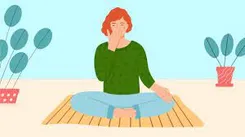
3. Place your right hand in a mudra by folding the index and middle fingers toward your palm. Rest your thumb gently on your right nostril and your ring finger on your left nostril.

4. Close your right nostril with your thumb and inhale deeply through your left nostril for a count of 3 or 4 whichever feels more comfortable to you.

5. Switch your fingers for a count of 3 or 4 till you close your left nostril with your ring finger, release your thumb,

6. Then exhale gently and slowly through your right nostril for a count of 7 to 8 whichever feels more comfortable.

6. Inhale through your right nostril again for a count of 3 or 4, close it with your thumb, switch for a count of 3 or 4 and release your ring finger from your left nostril, and then exhale through your left nostril for a count of 7 or 8.

7. This completes one cycle. Continue the process for several minutes, gradually increasing the duration as you become comfortable.

For Weight Loss

If you want to ignite your metabolism and lose some weight, try this proven method:

1. Do the above alternate nostril breathing for 5 rounds to create balance in the system.

2. Then simply breathe from your right nostril only for 27 breaths.

3. Do the balancing Alternate nostril breathing for 5 rounds to end the practice.

This formula delivers slow sustained weight loss over a period of 30 days. Give it a shot! Along with losing pounds, you will be amazed at all the other health benefits you receive including reduced stress, improved respiratory function, enhanced cognitive abilities, and better overall well-being.

Always consult a healthcare professional or certified yoga instructor for personalized guidance, especially if you have pre-existing respiratory or cardiovascular conditions.

References:

  • Sharma VK, et al. (2015). Effect of fast and slow pranayama practice on cognitive functions in healthy volunteers. International Journal of Psychophysiology, 91(3), 218-223.
  • Sinha AN, et al. (2013). Effect of alternate nostril breathing exercise on cardiorespiratory functions. Journal of Clinical and Diagnostic Research, 7(5), 821-823.
  • Telles S, et al. (2014). Greater Deactivation in the Left Hemisphere After Alternate Nostril Yoga Breathing and Breath Awareness Than During Breath Awareness. International Journal of Yoga Therapy, 24(2), 127-132.
  • Vyas R, et al. (2014). Effect of alternate nostril breathing exercise on cardiorespiratory functions in healthy young adults. Journal of Clinical and Diagnostic Research, 8(1), BC04-BC06.
  • West R, et al. (2016). The effect of alternate nostril breathing on heart rate variability at rest and following stress. Journal of Clinical Psychology in Medical Settings, 23(4), 310-318

“Unlocking Inner Bliss: Master the Sudarshan Kriya Breath

Recording of the Breathworkk.com Sri Sri meditation session

Sri Sri meditation on Youtube

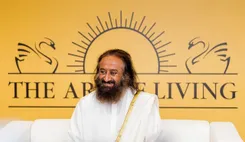
Gurudev Sri Sri Ravi Shankar, also known as Sri Sri, is a globally renowned spiritual leader, humanitarian, and the founder of the Art of Living Foundation. His teachings and practices have resonated deeply with youth around the world, offering them guidance and tools for personal growth, self-discovery, and finding meaning in life. Sri Sri’s message of peace, compassion, and inner transformation has inspired countless young individuals to embark on a journey towards a more joyful and purposeful existence.

Background

Born on May 13, 1956, in Papanasam, Tamil Nadu, India, Ravi Shankar showed a natural inclination towards spirituality from an early age. His curiosity led him to explore various spiritual traditions and seek wisdom from renowned masters. Sri Sri’s passion for understanding the deeper aspects of life and his dedication to personal growth became the driving force behind his journey toward enlightenment.

Enlightenment and Teachings

At the age of 17, Sri Sri experienced a life-altering spiritual awakening during a period of silence on the banks of the Bhadra River in Karnataka. This transformative experience opened his mind to the interconnectedness of all beings and the unity of existence, inspiring him to share his insights with others. Sri Sri’s teachings are rooted in practical wisdom and ancient spiritual traditions, making them easily relatable and accessible to youth seeking guidance.

The Art of Living Foundation

In 1981, Sri Sri founded the Art of Living Foundation, a nonprofit organization dedicated to empowering individuals and creating a stress-free and violence-free world. Since its inception, the Art of Living Foundation has positively impacted the lives of over 450 million people in 55 countries through its workshops, retreats, and humanitarian projects. These initiatives aim to enhance physical and mental well-being, reduce stress, and promote personal growth. This includes 75 million youth and 40 million women. They have also planted over 71 million trees worldwide, contributing to reforestation.

Famous Meditation Practices for Youth

One of the most celebrated contributions of Gurudev Sri Sri is the Sudarshan Kriya, a powerful rhythmic breathing technique. This technique, taught in Art of Living workshops, helps young individuals release stress, purify the mind, and cultivate a sense of inner calmness. Sudarshan Kriya has become renowned for its effectiveness in enhancing mental clarity, emotional well-being, and overall vitality, making it a favorite among youth seeking inner transformation.

Practicing the Sudarshan Kriya: A Step-by-Step Guide

The Sudarshan Kriya is a powerful breathing technique that has gained worldwide recognition for its transformative effects on mental and emotional well-being. Here is a step-by-step guide to practicing this technique:

  1. Preparation: Find a quiet and comfortable place to sit. Sit with your spine erect, either on a chair or cross-legged on the floor. Gently close your eyes.
  2. Deep Breathing: Take a few deep breaths, inhaling slowly and deeply through your nose, filling your abdomen and chest with air. Exhale slowly, releasing all the air.
  3. Ujjayi Breathing: Begin practicing Ujjayi breathing, a gentle constriction of the throat that creates a soft hissing sound during the exhalation. This helps to lengthen the breath and deepen relaxation.
  4. Three-Part Breath: Now, start the three-part breath by inhaling deeply into your abdomen, allowing it to expand fully. Then continue inhaling, filling your chest, and finally, your upper chest and throat. Exhale slowly, releasing the breath from the throat, chest, and abdomen.
  5. Rhythmic Breathing: Begin the rhythmic breathing pattern by inhaling for a count of four, holding the breath for a count of four, and exhaling for a count of six. Maintain a steady and comfortable rhythm throughout the practice.
  6. Continue the Flow: Repeat the rhythmic breathing pattern for several cycles, allowing the breath to flow effortlessly. Focus your attention on the breath and the sensations it creates in your body.
  7. Observe and Release: As you continue practicing, observe any thoughts, emotions, or physical sensations that arise. Allow them to come and go without judgment or attachment, gently bringing your focus back to the breath.
  8. Ending the Practice: After a dedicated practice time, gradually slow down the breath and come to a natural and relaxed state. Take a few moments to sit in stillness and gratitude for the practice.

Remember, it is recommended to learn the Sudarshan Kriya from a certified Art of Living instructor to receive proper guidance and support. Regular practice of this technique can bring about profound relaxation, stress relief, and a sense of inner peace and clarity.

Dr. Andrew Weil’s Magical 4-7-8 Breathwork for Health

In the realm of self-healing techniques, Dr. Andrew Weil’s 4-7-8 breath has gained significant attention for the simple reason that it works. This quick and free powerful breathing exercise has delivered dramatic changes in just 4 to 6 weeks to his patients including curing life long Gut issues, stopping atrial fibrillation, panic attacks and so much more.

The Science Behind this Breathwork:

The 4-7-8 breath technique is rooted in the principles of controlled breathing, which have been scientifically proven to activate the body’s relaxation response and induce a state of calmness. When practiced regularly, this technique can have a multitude of positive effects on our physical and mental health.

a. Activation of the Parasympathetic Nervous System: By elongating the exhalation phase, the 4-7-8 breath stimulates the parasympathetic nervous system, which is responsible for the body’s relaxation response. This activation promotes a sense of tranquility and reduces the activity of the sympathetic nervous system, responsible for the “fight-or-flight” response.

b. Oxygen-Carbon Dioxide Balance: The deliberate elongation of the exhalation in the 4-7-8 breath allows for a more efficient exchange of oxygen and carbon dioxide in the lungs. This balance optimizes the oxygenation of the blood, helping to improve overall circulation and support bodily functions.

c. Mindfulness and Focus: The 4-7-8 breath requires focused attention on the breath, anchoring one’s awareness in the present moment. This mindfulness practice can enhance concentration, reduce rumination, and create a sense of mental clarity and peace.

How to Practice the 4-7-8 Breath:

To effectively practice the 4-7-8 breath, follow these steps:

a. Find a Comfortable Position: Sit in a comfortable position with your back straight, either on a chair or on the floor with your legs crossed.

b. Relax Your Body: Take a few moments to relax your body and release any tension or stress you may be holding. Soften your facial muscles, relax your shoulders, and let go of any tightness in your body.

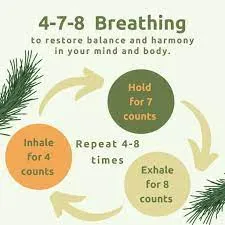
c. Inhale Quietly through Your Nose: Gently close your eyes and take a slow, deep breath in through your nose, silently counting to four. Allow the breath to fill your abdomen, expanding it fully.

d. Hold Your Breath: After the inhalation, hold your breath for a count of seven. Maintain a sense of relaxation during this breath retention phase.

e. Exhale Slowly but Powerfully through Your Mouth: Open your mouth slightly and exhale completely and audibly, counting to eight. Focus on the sensation of releasing tension and letting go as you empty your lungs.

f. Repeat the Cycle: Repeat the above steps three more times, completing a total of four breath cycles. 

You may grow to practice this twice a day for 8 breath cycles but no more, according to Dr. Weil. 

Why 4-7-8 Breath Works:

The effectiveness of the 4-7-8 breath lies in its ability to shift the body from a state of stress and tension to one of relaxation and calmness. By consciously manipulating the breath, we activate the body’s natural relaxation response and create a physiological shift that counters the effects of stress. The focused attention on the breath also helps redirect the mind from anxious or racing thoughts, bringing us into the present moment and fostering a sense of peace. The following mechanisms contribute to its positive impact:

a. Autonomic Nervous System Regulation: The controlled breathing pattern of the 4-7-8 technique helps balance the activity of the autonomic nervous system, reducing stress response and promoting relaxation.

b. Heart Rate Variability (HRV) Improvement: Research suggests that rhythmic breathing techniques like the 4-7-8 breath can enhance heart rate variability, a marker of the body’s ability to adapt to stress and maintain physiological flexibility.

c. Mind-Body Connection: The conscious engagement with the breath in the 4-7-8 technique fosters a deeper mind-body connection, enabling individuals to regulate their emotions, manage stress, and promote overall well-being.

d. Neurotransmitter Balance: Controlled breathing practices have been shown to influence the balance of neurotransmitters in the brain, such as increasing gamma-aminobutyric acid (GABA) levels, which have an inhibitory effect on anxiety and stress.

To quote Dr. Andrew Weil, of all the treatments I have ever done, the one with the most effective outcome is the 4-7-8 breath. You can listen here to Dr. Weil talk about breath >

By incorporating this mindful breathing practice into your daily routine, you can harness the scientifically proven benefits of controlled breathing to activate your body’s relaxation response, improve oxygenation, enhance focus, and promote emotional balance. Embrace the power of the breath and embark on a journey of tranquility and self-care through the transformative practice of the 4-7-8 breath.

Universal Oneness Meditation – Ek Onkar

Recorded Breathworkk.com session on Ek Onkar >

Ek Onkar, a sacred mantra of the Sikh religion, holds profound significance as it encapsulates the essence of unity, divine consciousness, and the interconnectedness of all creation. Ek Onkar meditation can unlock your inner peace and spiritual growth when done as a regular practice.

Origins and Meaning of Ek Onkar:

Ek Onkar, also known as the Mul Mantar, appears at the beginning of the Guru Granth Sahib, the central religious scripture of Sikhism. It is composed of two parts: “Ek” meaning “One” and “Onkar” representing the divine creative force that pervades all existence. Ek Onkar encapsulates the Sikh belief in the oneness of God and the interconnectedness of all living beings.

The Power of Ek Onkar Meditation:

Ek Onkar delivers a tremendous opportunity for holistic transformation to its practitioners.

1. Physical Benefits: Ek Onkar meditation has been associated with numerous physical health benefits. Scientific studies suggest that regular practice of meditation techniques, including Ek Onkar meditation, can reduce stress, lower blood pressure, improve cardiovascular health, boost the immune system, and promote overall well-being.

2. Psychological and Emotional Benefits: Ek Onkar meditation has a profound impact on the mind and emotions. Through focused attention and introspection, practitioners experience increased mental clarity, enhanced concentration, reduced anxiety, alleviation of depressive symptoms, and an overall sense of calmness, equanimity, and joy.

3. Spiritual Growth and Connection: Ek Onkar meditation facilitates spiritual growth and deepens one’s connection with the divine. By embracing the concept of Oneness and recognizing the divine presence in all beings, individuals experience a profound shift in consciousness. This practice fosters a sense of unity, compassion, and love, allowing individuals to transcend the limitations of the ego and connect with their higher self.

How to Practice Ek Onkar Meditation:

1. Preparation: Find a quiet and comfortable space where you won’t be disturbed. Assume a comfortable seated position, with your spine erect and relaxed.

2. Breath Awareness: Close your eyes gently and take a few deep, calming breaths. Shift your attention to your breath, observing its natural rhythm. With each inhale and exhale, let go of any tension or distractions.

3. Chanting Ek Onkar: Silently or audibly recite the mantra “Ek Onkar” in sync with your breath. As you inhale, mentally repeat “Ek,” and as you exhale, repeat “Onkar.” Allow the mantra to flow naturally and rhythmically, attuning yourself to its vibrations and significance.

4. Focused Awareness: As you continue the chanting, bring your attention to the sound and meaning of each syllable. Visualize the universal energy flowing through you, connecting you to the divine and the entire cosmos. Cultivate a deep sense of reverence and devotion.

5. Stillness and Reflection: Gradually, let go of the repetition and immerse yourself in stillness. Allow the effects of meditation to permeate your being. Reflect upon the experience, expressing gratitude for the moments of connection and inner peace.

6. Full Stanza: You may choose to grow from meditating on Ek Onkar to the entire first stanza.

Ek ōṅkār satinām kartā purakh nirbhau nirvair akāl mūrat ajūnī saibhaṅ gur prasād.

Translation: There is one universal creator, whose name is truth. He is the creator, present throughout all realms. He is without fear, without enmity, eternal, unborn, self-existent. He is realized by the grace of the true Guru.

This stanza sets the foundation for the belief in the Oneness of God and introduces key attributes of the divine nature. It signifies the eternal and formless nature of the creator, emphasizing the importance of seeking spiritual realization through the grace and guidance of a true Guru.

Ek Onkar meditation serves as a powerful tool for spiritual seekers to tap into the divine consciousness and experience the interconnectedness of all creation. By embracing the mantra “Ek Onkar” and engaging in the practice with devotion and focus, individuals can unlock the transformative benefits of this ancient meditation technique. As we awaken to the universal Oneness, we contribute to a world where compassion, unity, and love reign supreme.

The Transformative Power of Sound

In 2016, I embarked on a journey of exploring various meditations and Mystics on YouTube.  While clicking around shorts, I stumbled upon a chant that had me in a trance within minutes. I had never experienced tears streaming down my cheeks for no apparent reason until that moment. Why was I crying? Why was I still chanting? Why did I feel overwhelmed with love and gratitude?

I finally understood how someone could meditate on a rose and sob uncontrollably.

The chant was the ancient “Ra Ma Da Sa.”

This experience marked my initiation into the realm of sound as a transformative force. It awakened within me a deep curiosity to understand the profound impact that sound vibrations can have on our being. The enchanting melody of “Ra Ma Da Sa” had effortlessly bypassed my conscious mind, resonating directly with the depths of my soul.

I have learned since then that ALL sound is profound and what we speak or utter literally creates our World experience. 

According to the philosophies of yoga and Sankhya, sound is our most subtle and fundamental element. When we engage with sound and chanting, we work from the inside out, reaching the core of our being. Sound influences us at a profound level, allowing us to tap into our true essence.

Through this practice, we shed limitations, access higher states of consciousness, and connect with the fabric of creation. Sound becomes a key that unlocks our inner realms and transforms us. It transcends the boundaries of language, culture, and belief systems, speaking directly to the essence of who we are. The power of sound lies in its capacity to tap into the subtle energetic frequencies that underlie our physical and emotional experiences. Embracing this wisdom, we can harness the transformative power of sound, radiating its harmonious resonance to touch the world.

In the case of the “Ra Ma Da Sa” chant, each syllable holds a unique vibrational quality, representing different aspects of divine energy. The rhythmic repetition of these sounds creates a resonance within our being, harmonizing the intricate symphony of our mind, body, and spirit. This harmony facilitates the release of emotional blockages, calms the fluctuations of the mind, and opens pathways for healing and transformation.

Moreover, sound has the remarkable ability to create coherence and attune us to higher states of consciousness. By engaging in the soft chanting of sacred mantras like “Ra Ma Da Sa,” we establish a direct connection with the divine source. The vibrational currents unleashed through the repetition of these sounds enable us to transcend the boundaries of our individual self, merging with the expansive consciousness that permeates all of creation.

Through my encounter with the captivating chant of “Ra Ma Da Sa,” I became acutely aware of the immense potential held within sound. This profound experience encouraged me to explore further, delving into the rich history, teachings, and practices associated with sound healing and mantras. It awakened within me a deep reverence for the transformative power of sound and sparked a lifelong journey of self-discovery, healing, and spiritual growth.

My encounter with the enchanting “Ra Ma Da Sa” serves as a testament to the extraordinary influence that sound vibrations can have on us. It is a reminder of the breathless possibilities that await us as we open ourselves to the transformative power of sound.

May we continue to explore, embrace, and celebrate the sacred harmony that resonates within each and every one of us.